
Beyond the Wedding Smile: Understanding Post Marriage Depression and Emotional Adjustment After Marriage
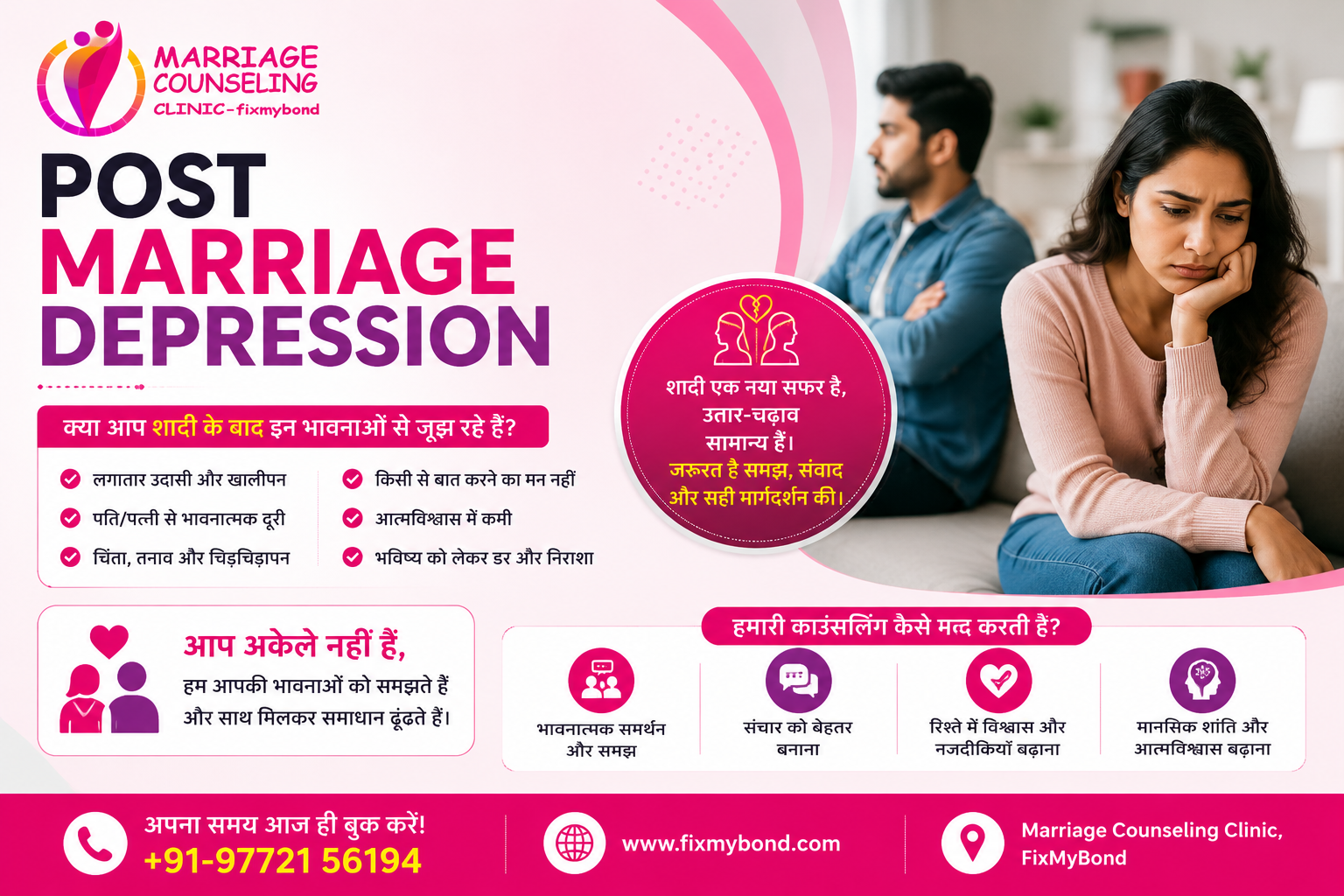
Many people consider marriage to be one of the happiest turning points in life. Couples start a new chapter full of hopes and expectations families get together and friends celebrate. However many newlyweds feel mental tension depression anxiety or disorientation when the thrill of the wedding wears off. Post-marriage depression is a popular term used to describe this mental struggle.
Although it is socially expected that newlyweds will always be happy, this is not always the case. It can be emotionally taxing to adjust to a new lifestyle expectations duties and relationship dynamic. Many people are unaware of how common post-marriage depression is but it frequently goes unreported because people are embarrassed or guilty about talking about it.
It is critical to comprehend post-marriage depression‘s causes symptoms and remedies in order to maintain mental health and create a happier married existence.
What Is Post-Marriage Depression?
Feelings of melancholy emotional tiredness loneliness worry or disillusionment following marriage are referred to as post-marriage depression. It may start weeks or months after the wedding and can impact both husbands and wives.
A poor marriage is not always the cause of this mental state. Even happy marriages occasionally experience emotional adjustment difficulties.
Marriage is one of the biggest life transformations a person can go through, and major life adjustments frequently cause emotional strain.
Why Does Post-Marriage Depression Happen?
Many people have high hopes for happiness romance love and friendship when they get married. However obligations modifications emotional concessions budgeting and family expectations are frequently part of reality.
Stress and disappointment can arise when emotional expectations and reality diverge.
Common Causes of Post-Marriage Depression
1. Difficulty Adjusting to a New Lifestyle
Daily habits priorities and personal space are all altered by marriage. It can be emotionally taxing to suddenly share obligations routines routines and choices with someone else.
Some people experience tension and emotional weariness as a result of this shift.
Simple adjustments like:
- Acquiring a new family
- Taking care of home duties
- Getting used to new routines
- juggling marriage and job
might gradually raise emotional strain.
2. Unrealistic Expectations About Marriage
Unrealistic expectations about marital life are frequently created by movies social media, and cultural pressure. Many people believe that getting married will end their emotional loneliness uncertainties or unhappiness in life.
Disappointment might arise when a marriage does not feel as planned.
Healthy marriages continue to include:
- Conflicts
- Emotional modifications
- Communication issues
- Stress related to money
- Challenges for personal development
Emotional annoyance might be lessened by acknowledging this reality.
3. Loss of Personal Freedom
Some people believe they have lost their individuality or freedom after being married. Emotional distress may result from adjusting to shared decisions and responsibilities.
This emotion is particularly prevalent when:
- Individual routines drastically shift.
- Managing career ambitions becomes challenging.
- Social freedom seems limited. Expectations from the family become excessive.
Anxiety and depression can worsen when emo
tonal equilibrium is lost.
4. Financial Pressure After Marriage
New financial obligations that come with marriage frequently include:
- Expenses for the home
- Home loans or rent
- Family obligations
- Expectations for lifestyle
Stress related to money can strain relationships and have a detrimental impact on emotional health.
Relationship unhappiness and anxiety may rise as a result of ongoing financial stress.
5. Family and Social Pressure
Many families put pressure on recently married couples because of:
- Expectations during pregnancy
- Family obligations
- Cultural customs
- Social perception
- Roles in relationships
Particularly for couples attempting to smoothly transition into married life this strain can become emotionally draining.
6. Communication Problems in Marriage
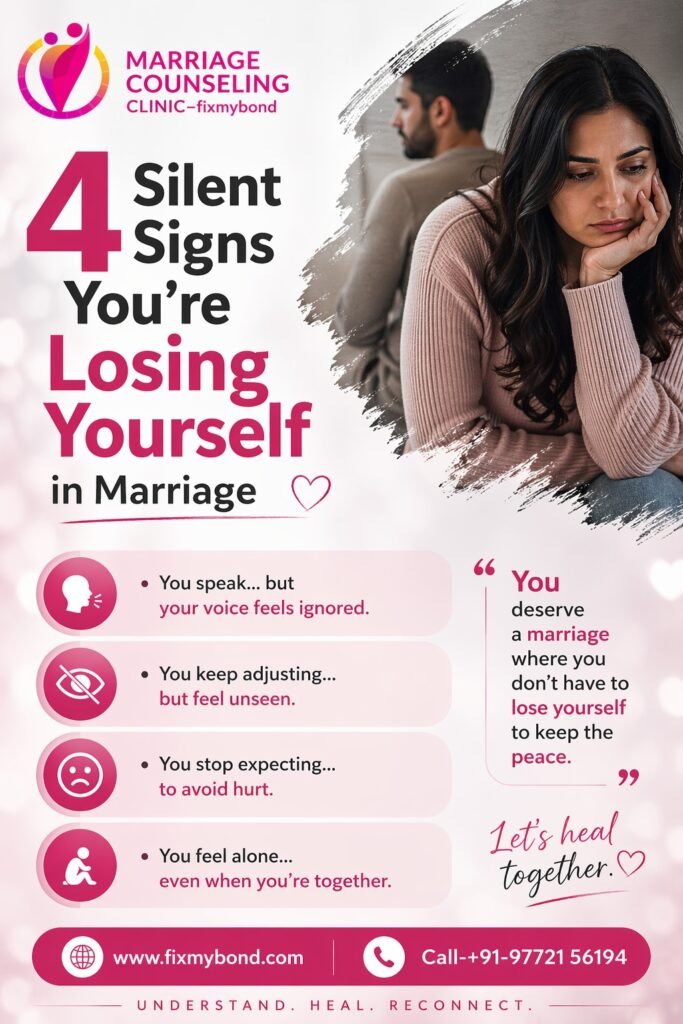
After marriage many couples find it difficult to communicate their feelings openly. Partners may conceal emotional needs sadness or irritation rather than talking about their feelings honestly.
Ineffective communication frequently results in:
- Misunderstandings
- Distance in emotion
- Regular disputes
- Marital loneliness
Post-marriage sadness might progressively be exacerbated by emotional detachment.
Signs and Symptoms of Post-Marriage Depression
Early detection of emotional distress enables couples to take constructive action before issues worsen.
- Symptoms of Emotion
- Persistent melancholy
- Being emotionally depleted
- Overthinking or anxiety
- Mood swings and irritability
- Despite being married, I feel lonely.
- Emotional detachment
- Regularly crying
- Feeling helpless or stuck
Physical Symptoms
Stress after marriage may also have an impact on physical health by:
- Issues with sleep
- Fatigue
- Headaches
- Changes in appetite
- Insufficient energy
Stress both mental and emotional frequently affects the physical as well.
Relationship Symptoms
Relationship behavior can also be impacted by marital depression:
- Steer clear of talks
Withdrawal of emotions
Absence of closeness
Regular miscommunications
An increase in partner annoyance
Emotional distance may continue to increase over time if ignored.
How Post-Marriage Depression Affects Relationships
When emotional struggles remain unresolved both partners may begin feeling disconnected and misunderstood.
Emotional Distance
Couples stop sharing emotions openly and begin living emotionally separate lives under the same roof.
Reduced Intimacy
Stress and emotional sadness often reduce emotional and physical intimacy between partners.
Increased Conflicts
Small disagreements may quickly turn into major arguments because emotional stress reduces patience and understanding.
Mental Health Challenges
Untreated emotional stress can contribute to:
- Anxiety disorders
- Depression
- Low self-esteem
- Emotional burnout
Protecting emotional wellbeing is important for both individuals and the marriage itself.
How to Overcome Post-Marriage Depression
1. Accept That Emotional Adjustment Is Normal
One of the biggest life transitions is marriage. It requires patience compassion and time to adjust emotionally.
You did not make the wrong choice just because you are feeling overwhelmed emotionally. It frequently indicates that you are adjusting to change.
2. Improve Communication With Your Partner
One of the best ways to reduce marital stress is to communicate honestly.
Discuss openly:
- Emotional challenges Expectations
- Individual requirements
- Fears and annoyances
Instead of placing blame concentrate on developing an emotional understanding of one another.
3. Spend Quality Time Together
Emotional bonding can be weakened by hectic schedules and obligations. Couples should make an effort to spend quality time together.
Easy tasks like as:
- Taking walks
- Seeing films
- Having open discussions
- Having meals together
- Journeying together
can improve a person’s emotional bond.
4. Maintain Individual Identity
Individuality and personal development are made possible in happy relationships. Continue to pursue:
- Interests and friendships
- Career objectives
- Individual hobbies
Relationship health is enhanced when each person maintains emotional equilibrium.
5. Seek Marriage Counseling
Couples who seek professional marriage counseling can benefit from:
- Recognize emotional challenges
- Boost dialogue
- Clear up any misunderstandings
- Reestablish emotional closeness
- Effectively manage stress
Counseling offers useful interpersonal strategies as well as emotional support.
6. Prioritize Mental Health
After marriage mental health is just as vital.
Practice:
- Meditation
- Exercise
- Good sleeping practices
- Self-care on an emotional level
- Strategies for reducing stress
Relationship stability is strengthened by a positive emotional state.
When to Seek Professional Help
Think about seeking expert assistance if:
- Sadness lasts for a very long time.
- Relationship disputes are on the rise.
- There is no longer any emotional connection.
- Overwhelming feelings of anxiety or despair
- Everyday existence seems emotionally challenging.
Asking for assistance is not a sign of weakness. It is a step in the right direction for emotional development and healing.
Final Thoughts
Although marriage is a wonderful adventure it also entails challenges responsibilities, and emotional adjustments. Many people experience post-marriage depression a genuine emotional condition in silence after being married.
It is important to acknowledge emotional challenges. Couples can successfully negotiate this change with the support of professional relationships self-care emotional understanding and open communication.
Perfection is not the foundation of a happy marriage. It is based on tolerance, understanding, emotional support and a readiness to develop together at every stage of life.